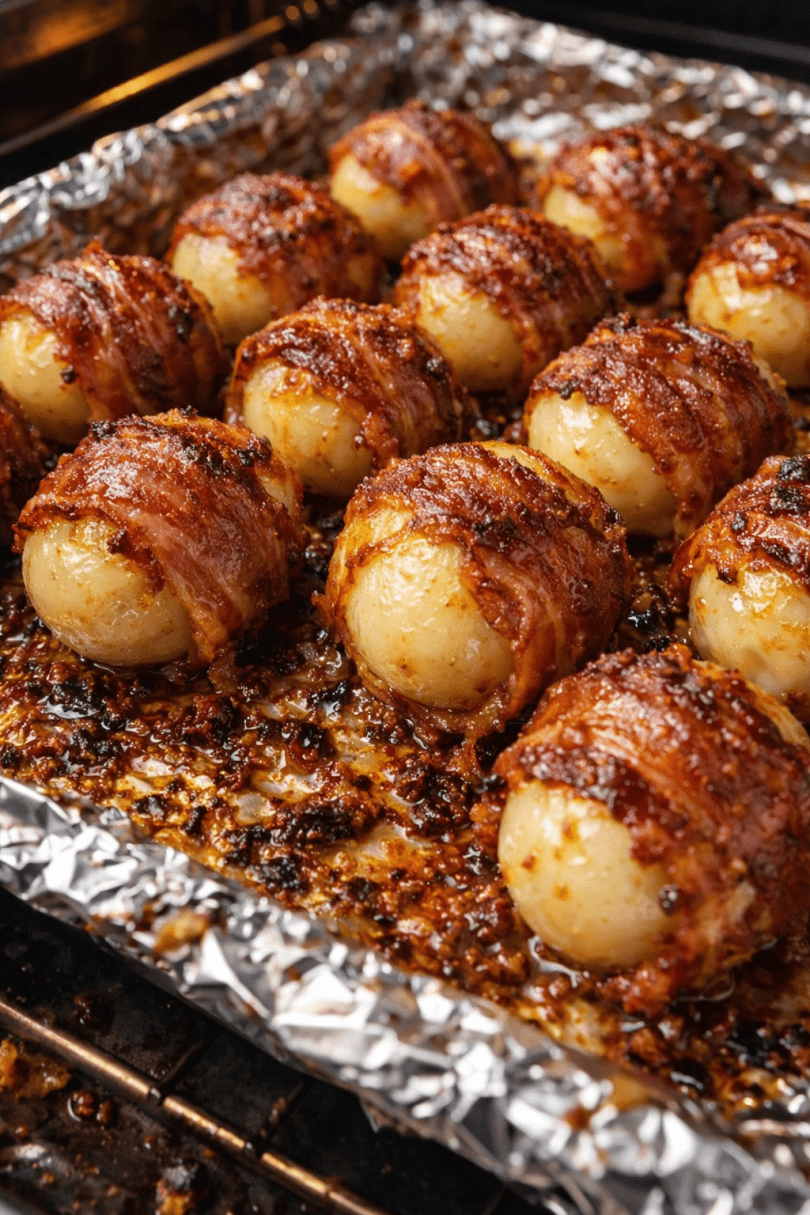

Bacon Wrapped Potatoes: The 3-Ingredient Appetizer That Disappears in Minutes
Some recipes earn their place in the rotation not because they are complicated or clever, but because they are simply, undeniably perfect. Bacon Wrapped Potatoes are exactly that kind of recipe. Tender, fluffy little new potatoes wrapped in savory, shatteringly crispy bacon — three ingredients, almost no prep, and the kind of result that clears a party platter before you have even had a chance to set it down.
Whether you are hosting a holiday gathering, setting up a game-day spread, throwing together a casual weekend get-together, or looking for a steakhouse-worthy side dish to serve alongside a grilled steak or roasted chicken — this recipe delivers every single time. It looks elegant, tastes incredible, and the only real secret is knowing the two-step technique that makes the texture absolutely foolproof. Let’s get into it.
Why This Recipe Works So Well
The brilliance of this recipe lies in a two-step process that guarantees perfect texture in every single bite — and understanding why it works will make you a better cook overall.
The first step is parboiling. By simmering the potatoes in well-salted water before they ever see the oven, you gently cook the starchy interior all the way through without drying it out. This is the step most recipes skip and the reason they fail — if you put a raw potato wrapped in bacon into a hot oven, the bacon will burn to a crisp long before the center of the potato has softened. Parboiling solves this entirely.
The second step is the high-heat oven bake. Once the potato is already tender inside, the oven’s job is purely to render the bacon fat and crisp the exterior. As the fat melts and bastes the potato skin in rich, smoky drippings, the intense heat triggers the Maillard reaction — the same browning process responsible for the crust on a great steak — and the bacon caramelizes into a deeply golden, crackling shell.
What you end up with is a stunning textural contrast: a salty, crispy exterior that gives way instantly to a soft, creamy, fluffy potato center. It is one of those combinations that is almost impossible to stop eating.
Ingredients
- 20 small new potatoes, or 10 medium potatoes cut in half
- 4 slices standard-cut bacon
- 1 teaspoon salt, for the boiling water
Yields approximately 10 servings as an appetizer or side dish.
Step-by-Step Instructions
Step 1: Preheat the Oven
Preheat your oven to 400°F (205°C). A properly preheated oven is essential here — the bacon needs immediate, intense heat from the moment it goes in to render properly and crisp up without drying out the potato underneath.
Step 2: Wash the Potatoes
Rinse the new potatoes thoroughly under cold running water. Do not peel them — the thin skins on new or baby potatoes are entirely edible, add a pleasant texture, and help the potato hold its shape during both the boiling and roasting stages. Removing them would be a waste of flavor and structure.
Step 3: Parboil Until Just Fork-Tender
Bring 1 quart of water to a boil in a medium pot with 1 teaspoon of salt. Add the potatoes and reduce the heat to low, letting them simmer gently for about 12 minutes. Test them with a fork — you want them to offer just a little resistance, not slide completely off the tines. This is fork-tender, not fall-apart. Drain the water completely and allow the potatoes to sit for a minute so any residual surface moisture can steam off.
Step 4: Prepare the Baking Sheet
Grease a baking sheet with a light coat of oil or cooking spray and arrange the drained potatoes on it with plenty of space between each one. Crowding is the enemy of crispy bacon — if the potatoes are too close together, they create a pocket of steam that leaves the bacon rubbery and pale rather than golden and crackling. Aim for at least an inch of space around each one.
Step 5: Wrap Each Potato
Cut each bacon slice into thirds. Wrap one piece of bacon around each potato, pulling it snugly so it hugs the surface. Here is the critical move: tuck the two overlapping ends of the bacon firmly underneath the potato before setting it on the baking sheet. The weight of the potato holds the bacon in place as it bakes. Skip this step and the bacon will curl, unravel, and cook unevenly as the fat shrinks in the oven.
Step 6: Bake Until Crispy
Place the baking sheet on the center rack of the preheated oven and bake for approximately 25 minutes, or until the bacon is fully rendered, deeply golden, and crispy on all sides. Resist the urge to open the oven and check too early — every peek releases heat and can slow the crisping process. At the 20-minute mark, start watching closely for that perfect, shatteringly crisp finish.
Step 7: Serve Warm
Remove from the oven and serve immediately. Arrange on a platter with toothpicks for easy, elegant finger food, or plate alongside your main course as a stunning side dish. Either way, serve them warm — this is when the contrast between the crispy bacon shell and the fluffy potato center is at its most spectacular.
Key Ingredient Notes
New Potatoes: These small, waxy potatoes are the ideal choice for this recipe. Their naturally low starch content means they hold their shape beautifully through both the boiling and roasting process without crumbling or falling apart. Their thin skins require no peeling, which saves prep time and adds flavor. Baby red potatoes or small fingerling potatoes are the best substitutes if new potatoes are unavailable.
Standard-Cut Bacon: This detail matters more than it might seem. Standard-cut bacon crisps up in the same amount of time it takes the parboiled potato to reheat and develop its exterior — the timing is calibrated perfectly. Thick-cut bacon takes significantly longer to render and crisp, which means the potato will likely dry out and overcook before the bacon is done. Stick with standard cut for the best result.
Salt in the Boiling Water: This is the only opportunity you have to season the potato from the inside out. As the hot water penetrates the starch during simmering, it carries the salt with it right to the center. An unsalted boil produces a flat, one-dimensional potato no matter how well the exterior is seasoned afterward. Do not skip it.
Easy Variations and Flavor Upgrades
- Sweet potato version: Substitute chunks of sweet potato for new potatoes and use a maple-cured or lightly smoky bacon. The natural sweetness of the potato and the savory bacon create an incredible sweet-and-savory balance.
- Add some heat: Before baking, sprinkle the wrapped potatoes with a pinch of cayenne pepper, smoked paprika, or coarsely cracked black pepper for a spicy kick that pairs beautifully with the smoky bacon.
- Sweet glaze finish: In the final 5 minutes of baking, lightly brush the bacon with a small amount of maple syrup or brown sugar. It caramelizes in the oven and creates a gorgeous lacquered finish with a deeply satisfying sweet-savory contrast.
- Dipping sauces: These are wonderful on their own, but serving them alongside a cool ranch dressing, creamy garlic aioli, or tangy sour cream with chives elevates the whole experience and gives guests something to play with.
Pro Tips for Flawless Results
- Tuck the ends underneath — every time. The overlapping ends of the bacon must be placed face-down under the potato. The potato’s weight holds them securely in place. Without this, the bacon curls, unravels, and cooks unevenly.
- Do not overboil the potatoes. Fork-tender with a slight resistance is exactly right. Mushy, falling-apart potatoes will crumble when you try to wrap them and will release too much moisture during baking, steaming the bacon rather than letting it crisp.
- Give every potato breathing room. At least an inch of space between each wrapped potato is non-negotiable. Crowded potatoes trap steam between each other and produce rubbery, pale bacon instead of the golden crunch you’re after.
- Let them steam dry after draining. After draining the parboiled potatoes, let them sit in the pot or on the sheet for a minute before wrapping. A drier surface means crisper bacon and better browning.
Serving Suggestions
These versatile little bites work beautifully in almost any setting. Here are some of the best ways to serve them:
- Party appetizer: Arrange on a large platter with toothpicks and one or two dipping sauces — ranch, garlic aioli, and sour cream with chives are all excellent choices. They disappear fast, so consider making a double batch.
- Game day snack: Pile them in a bowl alongside other finger foods. They hold their heat well and stay crispy long enough to last through a half.
- Steakhouse-style side dish: Plate a handful alongside a grilled ribeye, roasted chicken, or pan-seared salmon for a decadent, restaurant-quality dinner at home.
- Holiday spread: Their elegant appearance and crowd-pleasing flavor make them a natural addition to any holiday appetizer table, from Thanksgiving to Christmas to New Year’s Eve gatherings.
Storage and Reheating
Store any cooled leftover potatoes in an airtight container in the refrigerator for up to 4 days. Do not freeze — the cellular structure of boiled potatoes turns grainy and watery once thawed, and the texture will never recover.
When reheating, avoid the microwave at all costs. It makes the bacon limp and soggy and undoes everything the oven achieved. Instead, reheat in an air fryer at 350°F for 3 to 5 minutes until sizzling and crispy again, or place on a baking sheet in a 375°F oven until warmed through and the bacon has regained its crunch. They come back remarkably well with either method.
Frequently Asked Questions
Why did my bacon unravel in the oven?
The ends of the bacon were not tucked securely underneath the potato before baking. Bacon naturally shrinks as its fat renders in the heat, which causes it to curl and pull away from itself. The weight of the potato is what holds it in place — without that downward pressure on the seam, unraveling is almost inevitable.
Can I use thick-cut bacon?
It is not recommended for this recipe. Thick-cut bacon requires considerably longer to render and crisp, and by the time it reaches the right texture, the parboiled potato will have dried out and overcooked. Standard-cut bacon is specifically calibrated to the baking time this recipe uses.
Do I need to peel the potatoes?
No — and you should not. The thin skins on new and baby potatoes are fully edible, add a pleasant textural layer, and help the potato hold its shape through boiling and roasting. Peeling them removes flavor and structure you actually want to keep.
Can I prepare these ahead of time?
Yes, with one important note. You can parboil the potatoes and wrap them in bacon up to several hours in advance, then refrigerate them on the baking sheet covered loosely with plastic wrap. When ready to serve, bring them to room temperature for 15 minutes, then bake as directed. Do not bake them ahead and reheat — they are significantly better fresh out of the oven.
The Bottom Line
Three ingredients. Two simple steps. One recipe that will make you the most popular person at any gathering you bring it to. Bacon Wrapped Potatoes are the rare combination of genuinely impressive and genuinely easy — a dish that looks like you put real effort in, tastes like you have been perfecting it for years, and takes almost nothing out of you to pull off.
The crispy-salty-fluffy contrast is addictive in the most literal sense. People will reach for a second one before they have finished the first. The platter will be empty before you have had a chance to try one yourself. And you will already be planning when to make them again before the evening is over.
Preheat that oven, fill that pot, and make the appetizer everyone is going to be asking you for from here on out. Three ingredients have never tasted this good.