
Georgia O’Keeffe’s Pecan Butterballs Recipe
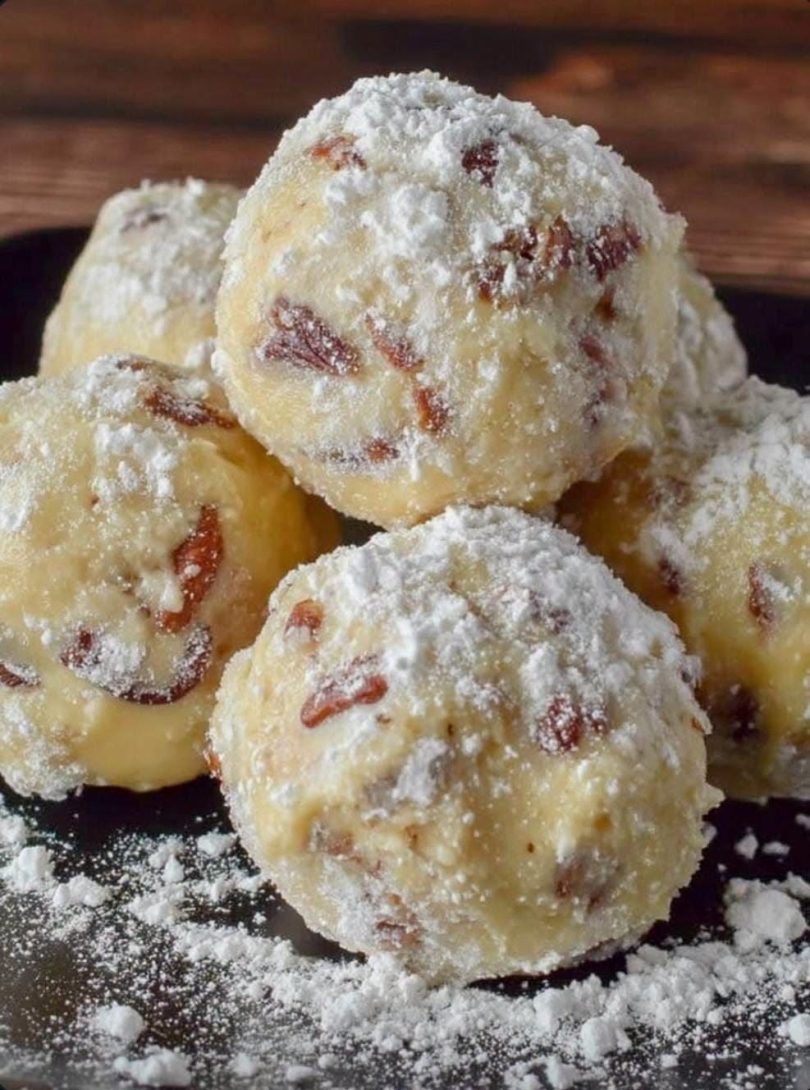
Delicate, buttery, and covered in a snowy layer of powdered sugar, these Georgia O’Keeffe’s Pecan Butterballs are the kind of old-fashioned cookie that disappears quickly from a dessert tray.
Each small cookie combines rich butter, finely chopped pecans, vanilla, and just enough sugar to create a tender, crumbly texture. Unlike many traditional cookies, this recipe contains no eggs and no chemical leavening, allowing the simple combination of butter, flour, sugar, and pecans to create its signature delicate bite.
The cookies are coated in powdered sugar twice—once while they’re still warm and again after they have completely cooled. That extra coating creates the classic white, snowy finish associated with pecan butterballs.
With 36 cookies from one batch, they’re perfect for holiday cookie trays, afternoon coffee, tea parties, dessert boards, or simply keeping a homemade treat on hand.
Why You’ll Love These Pecan Butterballs
- Made with just seven straightforward ingredients
- No eggs or chemical leaveners required
- Finely chopped pecans provide nutty flavor in every bite
- Buttery, tender texture with a delicate crumb
- Rolled in powdered sugar twice for an extra snowy finish
- Easy to make ahead and freeze
- Makes approximately 36 cookies
- Wonderful alongside coffee or tea
What Are Pecan Butterballs?
Pecan butterballs are small, tender butter cookies packed with finely chopped pecans and finished with powdered sugar.
They are similar to cookies commonly known as pecan snowballs or wedding cookies, although the exact ingredients and preparation methods can vary between recipes.
Because this version contains neither eggs nor chemical leavening, the cookies don’t puff like traditional drop cookies. Instead, they remain compact and delicate, allowing the buttery dough and pecans to take center stage.
Ingredient Notes
Unsalted Butter
Use butter that has softened naturally to room temperature. It should be soft enough to press gently with your finger but should still look matte rather than shiny or greasy.
Melted or overly warm butter can change the texture of the dough and may encourage the cookies to spread.
Powdered Sugar
Powdered sugar gives the dough a smooth sweetness without the coarse texture of granulated sugar.
A separate cup of powdered sugar is reserved for coating the finished cookies.
All-Purpose Flour
Flour gives these small cookies their structure. Accurate measuring is important because adding too much can result in a dry cookie.
For the most consistent results, spoon the flour into the measuring cup and level it, or weigh it when possible.
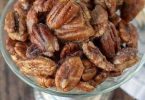
Pecans
The pecans should be finely chopped so they distribute evenly throughout the dough.
Very large pieces can make the small dough balls difficult to shape and may cause cracks. If you choose to toast the pecans first, let them cool completely before incorporating them into the dough.
Vanilla and Salt
Vanilla enhances the buttery pecan flavor, while a small amount of salt balances the sweetness.
How Should the Dough Feel?
Don’t worry if the dough initially looks somewhat crumbly when the flour is added.
Once properly mixed, it should hold together when squeezed or pressed. It shouldn’t feel wet, sticky, or greasy.
If the dough looks crumbly, don’t immediately add milk or another liquid. First check that the butter was properly softened, the flour was measured correctly, and the dough has been mixed enough to come together.
Why Finely Chopped Pecans Matter
The size of the pecans makes a noticeable difference in these cookies.
Small pieces spread throughout the dough, giving each butterball a consistent amount of nutty flavor while helping the cookies maintain their round shape.
Avoid processing the nuts until they become a powder or paste. The goal is finely chopped pecans that still retain some texture.
How to Know When Pecan Butterballs Are Done
These cookies should remain relatively pale on top.
Instead of waiting for the entire cookie to become deeply golden, look for a dry, set surface and bottoms that are lightly golden.
Darkly browned tops can be a sign that the cookies have baked too long, which may result in a dry center.
Allow the cookies to rest briefly on the baking sheet before moving them because their delicate structure makes them fragile when they’re hot.
Why Are the Cookies Rolled in Powdered Sugar Twice?
The double coating is what gives these pecan butterballs their characteristic snowy appearance.
The first coating is applied while the cookies are still warm. The powdered sugar settles onto the surface and creates a base layer.
After the cookies cool completely, they receive another roll in powdered sugar. The second coating covers any translucent areas and creates a thicker, brighter white finish.
Handle the warm cookies gently during the first coating because they are still delicate.
Expert Tips for Perfect Pecan Butterballs
Use softened butter, not melted butter.
The butter should be pliable but not greasy or liquid.
Measure the flour carefully.
Too much flour can make these cookies dry and crumbly.
Chop the pecans finely.
Small nut pieces are easier to incorporate and help the cookies hold their shape.
Keep the cookies similar in size.
Consistent 1-inch portions help everything bake at roughly the same rate.
Leave space between the cookies.
Give each dough ball a little room on the baking sheet.
Don’t wait for deep browning.
The tops should stay pale while the bottoms become lightly golden.
Coat them while warm.
Let the cookies rest for about five minutes before carefully rolling them in powdered sugar.
Add the final coating after cooling.
The second sugar coating should be applied only once the cookies have cooled completely.
Chill only if necessary.
If a particularly warm kitchen makes the dough greasy or unusually soft, a short chill can help firm it before baking. This step is optional and isn’t required in the original method.
Variations and Substitutions
Use Walnuts
Finely chopped walnuts can replace the pecans. The cookies will still work, although the flavor and texture will be somewhat different.
Add Almond Flavor
Replace part of the vanilla extract with almond extract for a stronger nutty aroma.
Add Orange Zest
A little orange zest can introduce a bright citrus note that complements the buttery pecans.
Add Cinnamon
For a warmer holiday-style flavor, mix cinnamon into the powdered sugar used for the final coating.
Toast the Pecans
Toasting the pecans before chopping them can deepen their flavor. Make sure they cool completely before mixing them into the dough.
How to Serve Pecan Butterballs
These little cookies are especially good with a cup of coffee or tea.
Their small size also makes them ideal for holiday cookie platters, dessert boards, afternoon gatherings, and gift boxes.
Because powdered sugar can scatter as the cookies are handled, placing them in small paper liners can make serving and presentation easier.
Make-Ahead and Storage
Allow the cookies to cool completely before placing them in an airtight container.
Separating layers with parchment paper helps prevent the delicate cookies from sticking together.
Avoid sealing the cookies while they’re still warm. Trapped heat can create condensation, which may make the powdered sugar patchy.
At cool room temperature, the baked cookies generally keep for several days.
Can You Freeze Pecan Butterballs?
Yes. Baked cookies can be frozen in an airtight container.
For the neatest finish, freeze the cookies before the second powdered-sugar coating. Once they’re completely thawed, roll them in fresh powdered sugar before serving.
The unbaked dough can also be shaped into balls and frozen. When baking from frozen, rely on the cookies’ visual doneness cues rather than automatically adding a specific amount of baking time.
Frequently Asked Questions
Why Is My Pecan Butterball Dough Crumbly?
The dough can look crumbly when the flour is first incorporated, but it should hold together when pressed.
Before adding any liquid, check whether you’ve used too much flour, whether the butter was too cold, whether the pecans were chopped too coarsely, or whether the dough needs a little more mixing.
Why Did My Cookies Spread?
Excessively warm butter or a warm baking sheet can contribute to spreading.
If the shaped dough feels greasy or extremely soft, a brief chill can help firm it before baking.
Can I Toast the Pecans?
Yes. Toasting can give the pecans a deeper flavor.
However, allow toasted pecans to cool completely before adding them to the dough.
Should I Coat the Cookies While They’re Hot?
Let the freshly baked cookies rest for approximately five minutes first.
They should still be warm when you carefully roll them in powdered sugar. After cooling completely, coat them a second time.
Can I Substitute Walnuts for Pecans?
Yes. Finely chopped walnuts can be used, although the resulting cookies will have a different flavor and texture. Pecans are the defining nut in the original recipe.
Why Are My Pecan Butterballs Dry?
Over-measured flour and overbaking are the most likely causes.
Measure the flour carefully and watch the cookies closely. The tops should remain pale while the bottoms become lightly golden.
Recipe at a Glance
Recipe: Georgia O’Keeffe’s Pecan Butterballs
Prep Time: 20 minutes
Cook Time: 15–18 minutes
Cooling Time: 30 minutes
Total Time: 1 hour 8 minutes
Yield: 36 cookies
Oven Temperature: 325°F
Ingredients
- 1 cup unsalted butter, softened
- ½ cup powdered sugar
- 1 teaspoon vanilla extract
- 2¼ cups all-purpose flour
- ¼ teaspoon salt
- 1 cup finely chopped pecans
- 1 cup powdered sugar, for rolling
How to Make Georgia O’Keeffe’s Pecan Butterballs
Step 1: Prepare the Baking Sheets
Preheat your oven to 325°F.
Line your baking sheets with parchment paper.
Step 2: Cream the Butter and Sugar
Place the softened butter and ½ cup powdered sugar in a large mixing bowl.
Beat until the mixture becomes smooth, then mix in the vanilla extract.
Step 3: Add the Dry Ingredients
Gradually add the all-purpose flour and salt.
Mix just until a soft dough forms. Avoid overworking the mixture.
Fold in the finely chopped pecans until they are evenly distributed throughout the dough.
Step 4: Shape the Cookies
Shape the dough into approximately 1-inch balls.
Arrange the dough balls on the prepared baking sheets, leaving a little space between each cookie.
Step 5: Bake
Bake for 15 to 18 minutes.
The cookies should be set, with lightly golden bottoms while the tops remain fairly pale.
Step 6: First Powdered Sugar Coating
Allow the cookies to rest on the baking sheets for about 5 minutes.
While they’re still warm, carefully roll each cookie in the reserved powdered sugar.
Step 7: Cool and Coat Again
Transfer the cookies to a wire rack and allow them to cool completely.
Once cooled, roll each cookie in powdered sugar a second time.
Serve immediately or store for later.
Final Thoughts
These Georgia O’Keeffe’s Pecan Butterballs showcase how a few familiar ingredients can create an exceptionally delicate cookie. The combination of buttery dough, finely chopped pecans, vanilla, and two layers of powdered sugar produces a classic treat with a tender texture and beautiful snowy appearance.
They’re simple enough for everyday baking but special enough for holiday cookie trays, afternoon tea, or homemade gifts. And because the cookies can be made ahead and frozen, they’re an especially convenient addition to any baker’s recipe collection.